
Article 105 of Indian Constitution – Notes for UPSC

Article 105 of Indian Constitution: Powers, privileges, etc., of the Houses of Parliament and of the members and committees Article 105 of Indian constitution delineates the power, privileges, and immunities of the Houses of Parliament and their members. It is a cornerstone for ensuring the independence and efficacy of the legislative process in India. This…
Article 102 of Indian Constitution: Disqualification of Member of Parliament

Article 102 of Indian Constitution Intro: Article 102 of Indian Constitution defines the grounds for disqualification of members of Parliament. It ensures the integrity of the parliamentary system by setting clear criteria such as holding an office of profit under the government, being of unsound mind, undischarged bankruptcy, or allegiance to a foreign state. This…

Article 51a of Indian Constitution- Fundamental Duties

Original Text of Article 51a of Indian Constitution: It shall be the duty of every citizen of India— to abide by the Constitution and respect its ideals and institutions, the National Flag and the National Anthem; to cherish and follow the noble ideals which inspired our national struggle for freedom; to uphold and protect the…

Persuasion

Persuasion is defined as the process of changing or reinforcing a person’s attitudes, beliefs, or behaviour in management literature. It is a type of social influence and a process of inducing a change in ideas, beliefs and attitudes of other persons or groups about some issue in a predetermined direction. Persuasion is done using logic, reasoning…

Social Influence

Social influence is defined as the variation in an individual’s feelings, thoughts, attitudes, or behaviours that results from interaction with other persons or groups. It includes the impact of social media influences, politicians, celebrities, religion, community, and society at large. Social influence is an essential determinant of attitudes and behaviour. Influence on attitude Social influence…

Article 32 of Indian Constitution: Remedies for enforcement of rights conferred by this Part

Article 32 of Indian Constitution Article 32 of Indian Constitution is often referred to as the “heart and soul” of the Constitution, as described by Dr. B.R. Ambedkar. This article grants the right to constitutional remedies, which allows individuals to approach the Supreme court directly in case of any violation of their fundamental rights. It…

Article 21 of Indian Constitution: Protection of life and personal liberty

Original Text of Article 21 of Indian Constitution: Article 21 of Indian Constitution: No person shall be deprived of his life or personal liberty except according to procedure established by law. Explanation of Article 21 of Indian Constitution: Article 21of Indian Consitution – Right to Life deals with the protection of life and personal liberty….

Article 19 of Indian Constitution: Protection of certain rights regarding Freedom of speech, etc

Original Text of Article 19 of Indian Constitution: Article 19 (1) All citizens shall have the right- to Freedom of speech and expression; to assemble peaceably and without arms; to form associations or unions 2[or co-operative societies]; to move freely throughout the territory of India; to reside and settle in any part of the territory…

13 Dec 2023 : Daily Quiz

Join 99Notes IAS Institute Get A Free Counseling By Our Professional UPSC Counsellors. Send message On Whatsapp UPSC Current Affairs Here You can also attempt questions carefully developed by our team on those topics, which have high likelihood of being asked in the future exams, alongside the NOTES. Get Connected With Us Email info@99Notes.in Let’s…

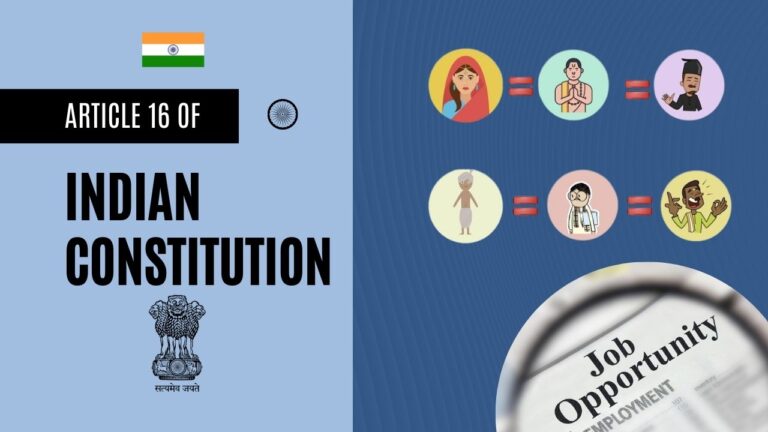
Article 16 Of Indian Constitution: Equality Of Opportunity In Matters Of Public Employment- Notes For Upsc

Article 16 of Indian Constitution: Equality of opportunity in matters of public employment- Notes for UPSC

Article 16 of Indian Constitution Intro: Article 16 of Indian Constitution ensures equality of opportunity in matters of public employment. It prohibits discrimination on grounds of religion, race, caste, sex, or place of birth, reinforcing the fundamental right to equality. This article aims to create a level playing field for all citizens in securing government…