
Renewable Energy: Sources, Advantages & Disadvantages- Complete Upsc Notes

Renewable Energy: Sources, Advantages & Disadvantages- Complete UPSC Notes

Renewable Energy Renewable Energy Sources  Renewable Energy sources are those sources of energy which are naturally replenished faster than the rate of their consumption. India’s massively growing energy requirements makes it pertinent for the country to look for renewable energy resources for its energy security and sustainable development targets. With this view, the government is…

Non Renewable Energy Infrastructure: Sources, Advantages And Disadvantages- Complete Notes For Upsc

Non Renewable Energy Infrastructure: Sources, Advantages and Disadvantages- Complete Notes for UPSC

Non Renewable Energy Non-renewable energy is derived from natural sources that cannot be regenerated and readily replaced by natural means quickly to keep up with consumption. The non-renewable energy sources are – coal, natural gas, petroleum oils and others. Nuclear energy is also considered a non-renewable energy source because there is a limited uranium supply…

Indian Railways: Complete Indian Economy Notes For Upsc

Indian Railways: Complete Indian Economy Notes for UPSC

Indian Railways ‘Indian Railways’ is the country’s most significant public sector undertaking, comprising vast network stations and route length with a fleet of locomotives, passenger vehicles, etc. It operates the world’s fourth-longest rail network. Issues associated with the Railway sector: Over-burdened routes: Overburdened routes Lead to delays and revenue losses. Ex: Howrah-Delhi is running at 150%…

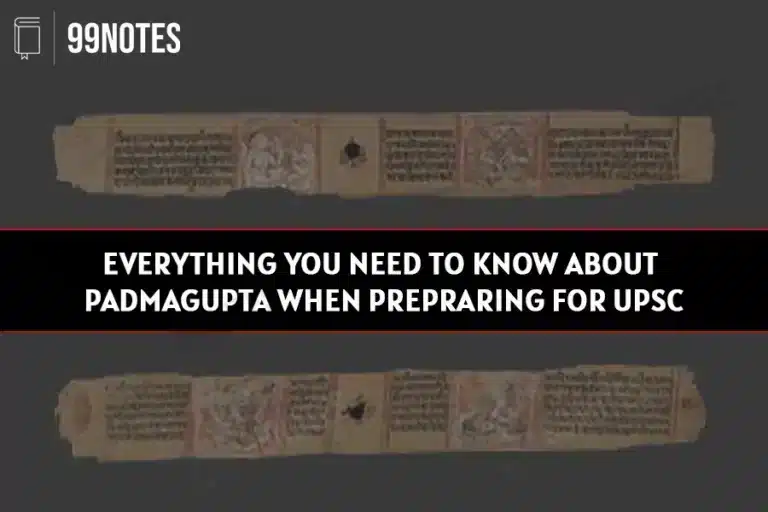
Everything You Need To Know About Padmagupta When Prepraring For Upsc

Everything You need to know about Padmagupta when Prepraring for UPSC

A court poet of the Parmara king Sindhuraja (r. 990s CE). Padmagupta is the author of a Sanskrit epic, “Nava-shahshanka-charita.” The epic depicts the romance between Parmara King Sindhuraja and the Naga princess Shahshiprabha. Due to this work, Padmagupta is known as ‘Parimala Kalidasa’. It is written in Vaidharbhi style, generally using short and light…

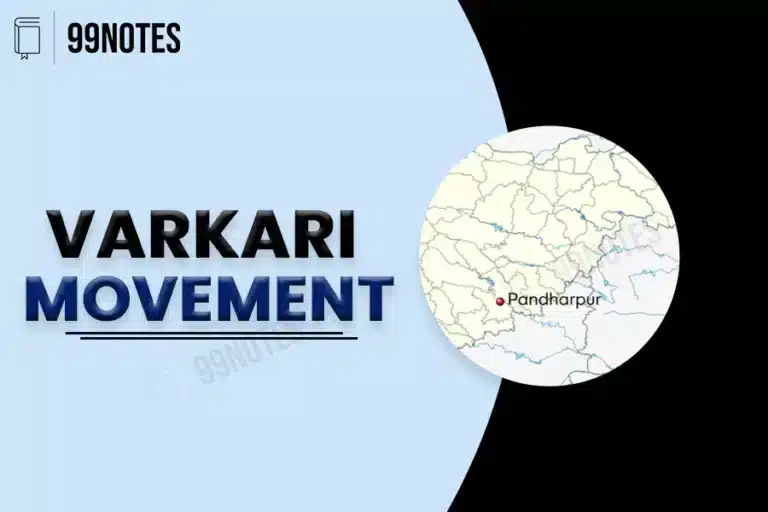
Varkari Movement: Maharashtra’S Spiritual Tradition

Varkari Movement: Maharashtra’s Spiritual Tradition

Varkari Movement The Varkari Movement is a significant spiritual tradition that originated in Maharashtra, India, in the 13th century, as panth during bhakti movement. This movement is centered around devotion to Lord Vitthal, also known as Vithoba. Varkari Movement brings together people from various backgrounds in a mutual journey of faith and devotion, marking an…

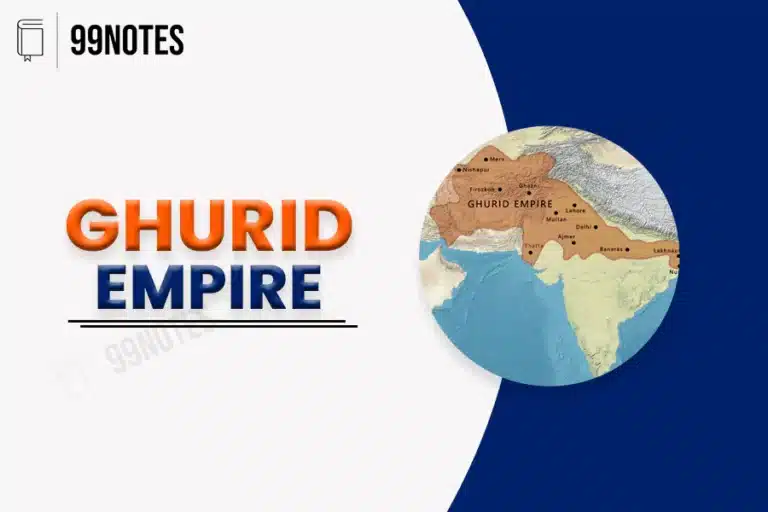
Ghurid Dynasty: Time Period, Founder, Rulers & Impact On India

Ghurid Dynasty: Time Period, Founder, Rulers & Impact on India

Ghurid Dynasty  The Ghurid Dynasty, a significant chapter in medieval Islamic history, flourished as a powerful empire in Central Asia and the Indian subcontinent. Let’s delve into the history of its rise, reign, important rulers, and its enduring impact on India. Introduction to the Ghurid Dynasty The Ghurids were local chiefs from the Ghor region…

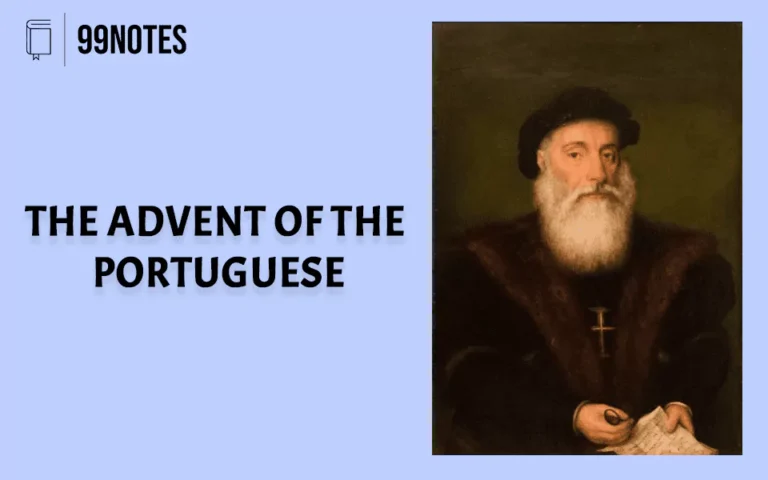
Advent Of Portuguese In India- Upsc Notes

Advent of Portuguese in India- UPSC Notes

Portuguese in india The Portuguese were the first Europeans to discover a direct maritime route to India and thereby solve the age-old problem of circumventing the Arab Traders. On May 20, 1498, Portuguese merchant Vasco da Gama became the first merchant to arrive in Calicut, an important seaport in South India. Vasco Da Gama in the court of zamorin(picture…

Bhakti Movement: Origin, Main Principles, Causes, And Its Effect [Upsc Medieval History Notes]

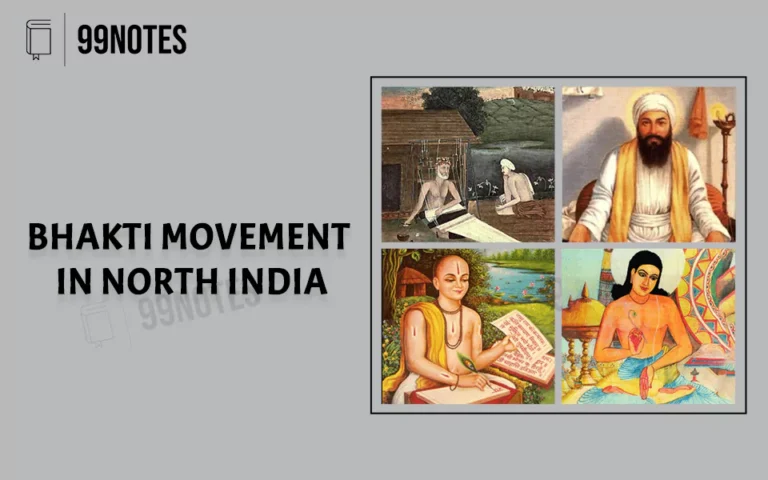
Bhakti Movement: Origin, Main Principles, Causes, and its Effect [UPSC Medieval History Notes]

The Bhakti Movement in India Introduction of Bhakti Movement The Bhakti movement was a medieval religious reform movement that preached direct devotion to God without the mediation of a priest. It aimed to reform society by removing the boundaries of caste, creed and sex between the devotee(bhakta) and God (bhagwan). Bhakti is rooted in the…

Bahmani Kingdom And 5 Deccan Sultanates- Complete Upsc Notes

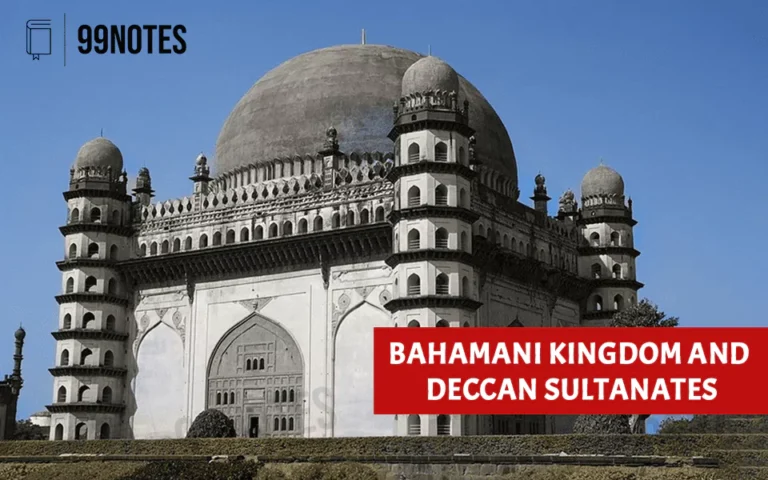
Bahmani Kingdom and 5 Deccan Sultanates- Complete UPSC Notes

Bahmani Kingdom and Deccan Sultanates After the fall of Yadavas and Kakatiyas to the Khaljis and Tughlaqs, several Muslim governorships were established in the region. Mohamed Bin Tughalaq had made an elaborate administrative system for the Deccan region and, in the process, appointed Sada Amir/Amiran-i-sada,e. the chief of hundred villages. They performed both military and…